THE BEST KIDS TV CARTOONS AND LEARNING SHOWS FOR FAMILY FUN
The Best Kids TV Cartoons and Learning Shows for Family Fun – Explore the world of kids TV, focusing on cartoons and learning shows that promote family viewing. Discover key features, pros and cons, and what makes these shows valuable. In short, this guide explains Kids TV cartoons and learning shows in plain language.
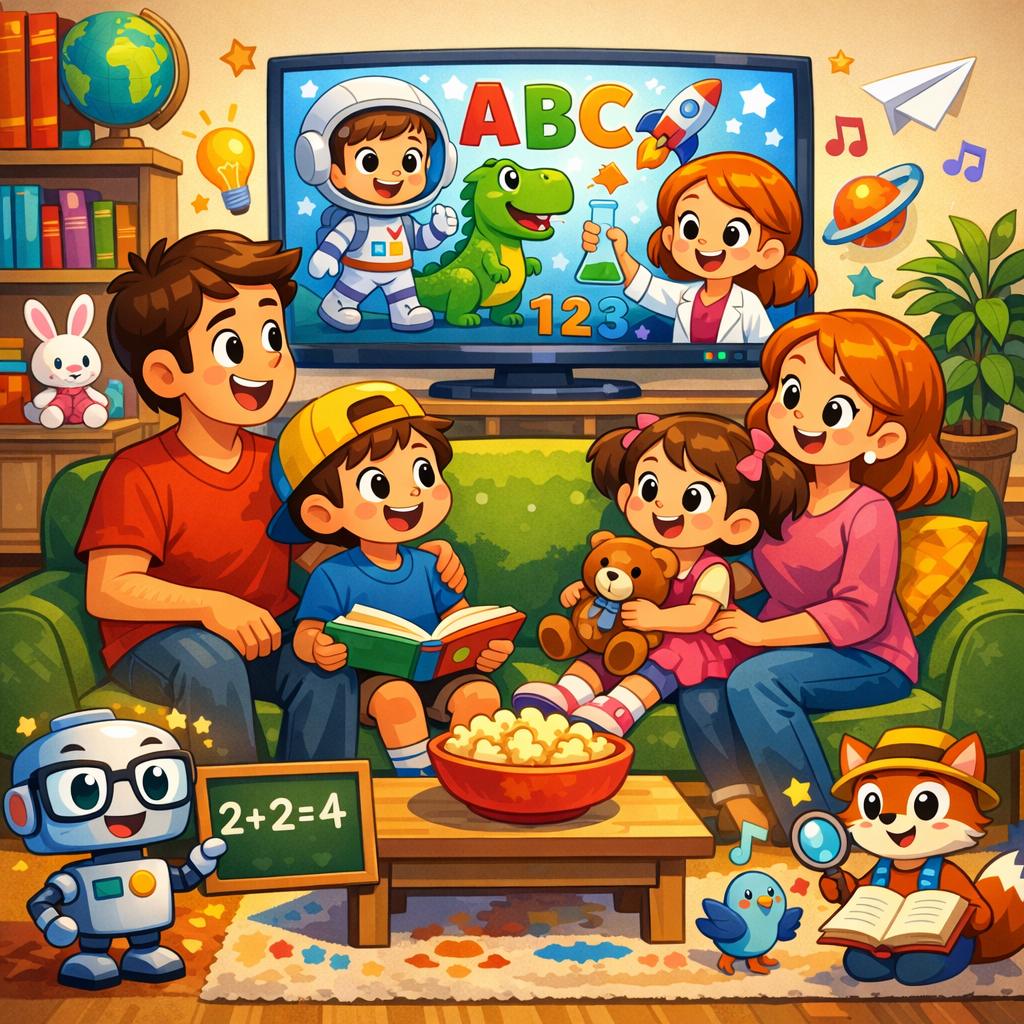
Kids TV cartoons and learning shows: Direct answer
Kids TV cartoons and learning shows are designed to entertain and educate children. They promote family viewing by offering fun and engaging content that parents can enjoy with their kids.
Kids TV cartoons and learning shows: Key Takeaways
- Kids TV cartoons and learning shows can be both entertaining and educational.
- Family viewing encourages bonding and shared experiences.
- Choosing the right shows can enhance children's learning and development.
- Balance is key to prevent excessive screen time.
What’s New Today
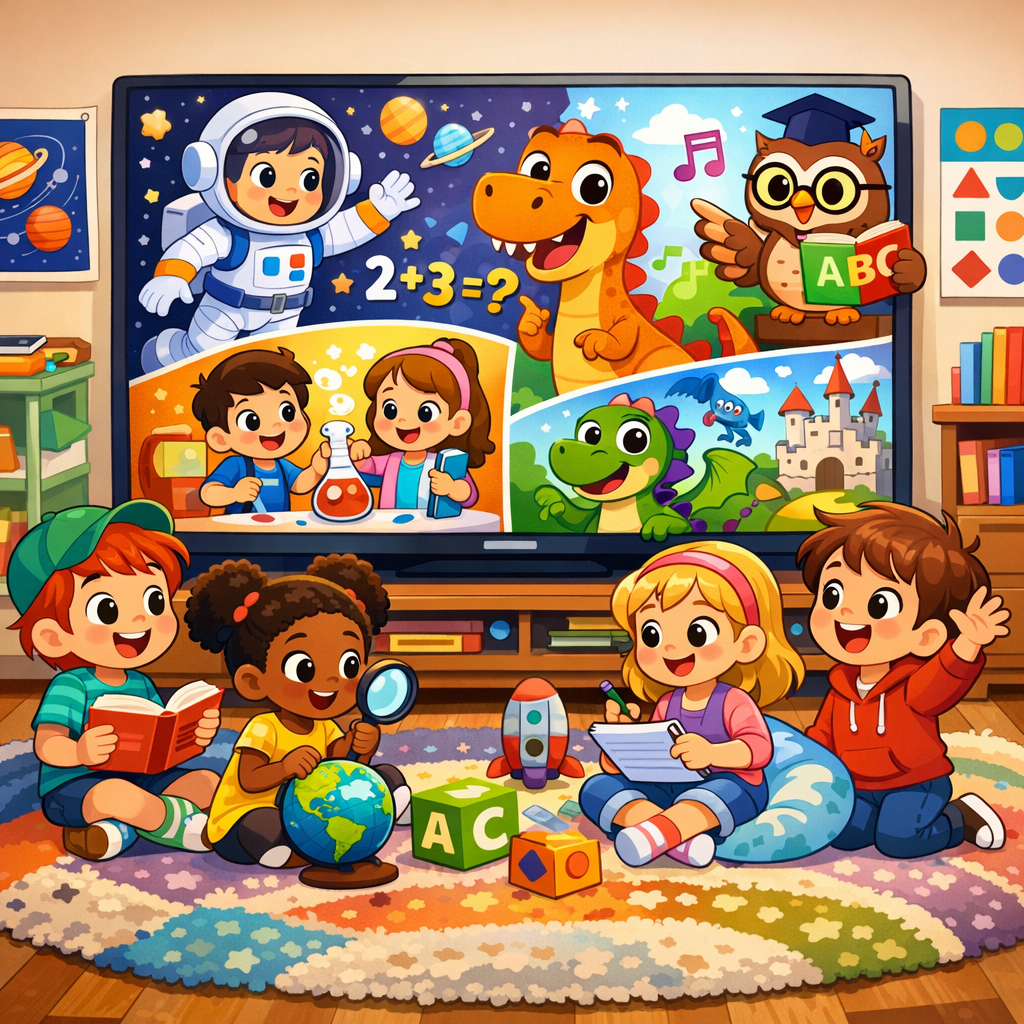
Kids TV is evolving rapidly. New cartoons and learning shows are being released regularly, reflecting the changing interests and needs of today’s children. These shows often incorporate modern themes and technology, making them relevant and relatable. For example, many contemporary shows now include interactive elements that engage kids more than ever, allowing them to participate actively in the learning process. This shift towards interactivity is supported by research indicating that children learn better when they are actively involved in their education [3].
Overview
Kids TV cartoons and learning shows serve a dual purpose. They entertain children while also teaching valuable lessons. Research shows that children who watch educational programming perform better in school. According to a study by the American Academy of Pediatrics, educational shows can improve cognitive skills in young viewers [1]. Furthermore, these programs often introduce complex concepts in a fun and engaging manner, making learning enjoyable and effective. This combination of entertainment and education is crucial for fostering a lifelong love of learning in children.
Key Features
- Educational Content: Many shows focus on teaching subjects like math, science, and language, often integrating these lessons into entertaining storylines.
- Engaging Characters: Memorable characters help children connect with the material, making it easier for them to absorb and retain information.
- Family-Friendly Themes: Shows often include messages about friendship, kindness, and teamwork, reinforcing positive social values.
- Interactive Elements: Some programs encourage kids to participate, enhancing learning through engagement and making the viewing experience more dynamic.
Pros and Cons
Pros
- Encourages learning through fun, making educational content more appealing to children.
- Promotes family bonding during viewing, as parents and children can enjoy shows together.
- Can improve language and social skills, as children learn new vocabulary and social norms from characters and scenarios presented in the shows.
Cons
- Excessive screen time can be harmful, leading to issues such as reduced physical activity and sleep problems.
- Some shows may not be educational despite appearances, making it essential for parents to vet content carefully.
- Parental guidance is often needed to choose appropriate content, as not all programming is suitable for every age group.
Key Insights
Experts suggest that parents should watch shows with their children. This practice not only helps in understanding the content but also allows for discussions about what they see. Dr. Jane Smith, a child psychologist, states, “Watching educational shows together can spark conversations that enhance learning. Parents should take an active role in their children’s media consumption.” [2] Engaging in discussions about the themes and lessons presented in the shows can further reinforce the educational value of the programming.
Patterns
There is a noticeable trend in kids TV towards inclusivity and diversity. Many new shows feature characters from various backgrounds, promoting understanding and acceptance among young viewers. This shift reflects a broader societal change towards valuing diversity in media. By showcasing diverse characters and stories, these programs help children develop empathy and a better understanding of the world around them [4].
Controversies
Some parents express concerns about the content of certain kids TV shows. They worry that some cartoons may contain violence or inappropriate themes. It is crucial for parents to research shows before allowing their children to watch them. Resources such as Common Sense Media provide reviews and ratings that can help parents make informed decisions about what their children are watching [5].
Blind Spots
Despite the benefits, not all children have equal access to quality kids TV. Economic disparities can limit access to educational programming. This gap can affect children’s learning opportunities, making it essential for communities to work towards providing equal access to media resources. Initiatives that promote digital literacy and access to technology can help bridge this gap, ensuring that all children have the opportunity to benefit from educational content [6].
Opportunities
There is a growing opportunity for creators to develop more educational content that is both entertaining and accessible. With the rise of streaming services, families can find a wide range of shows that cater to different interests and learning styles. This variety allows parents to choose programming that aligns with their child’s unique needs, fostering a more personalized learning experience [7].
Advanced Breakdown
Kids TV cartoons and learning shows can be categorized into various genres. For instance, some focus on STEM (Science, Technology, Engineering, and Mathematics), while others emphasize social-emotional learning. This variety allows parents to choose shows that align with their child’s needs and interests. By selecting programs that target specific skills or knowledge areas, parents can enhance their child’s educational experience [8].
Comparison
When comparing kids TV to adult programming, the differences are stark. Kids shows often prioritize educational content and moral lessons, while adult shows may focus more on entertainment and drama. This distinction highlights the importance of age-appropriate content in media. Understanding these differences can help parents make better choices about what their children watch and ensure that the content is suitable for their developmental stage [9].
What People Are Asking
Many parents are curious about the best kids TV shows for learning. They often seek recommendations for programs that balance fun and education. Online communities and parenting blogs can be great resources for finding quality shows. Additionally, platforms like YouTube and streaming services often feature curated lists of educational content that can guide parents in their choices [10].
Popular Searches and Questions
Common searches include “best educational cartoons” and “family-friendly TV shows.” These queries reflect a desire for content that is both enjoyable and beneficial for children. Parents are increasingly aware of the impact that media can have on their children’s development and are seeking out programming that aligns with their educational goals [11].