RADIO STREAMS UNCOVERED: YOUR GUIDE TO AUDIO-ONLY STATIONS
Radio Streams Uncovered: Your Guide to Audio-Only Stations – Discover the world of radio streams and audio-only stations. Learn about their low bandwidth use and how to access them easily. In short, this guide explains radio streams in plain language.
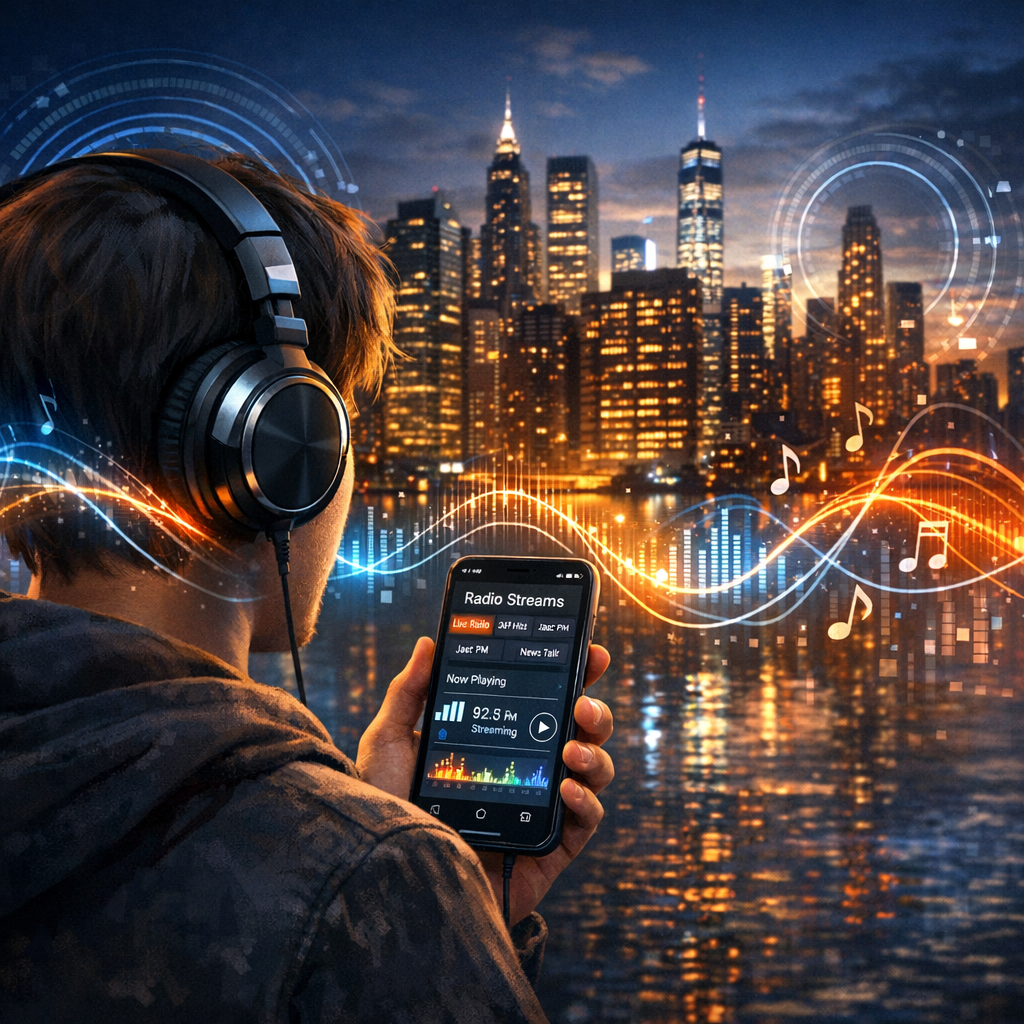
radio streams: Direct answer
Radio streams are audio-only stations that allow users to listen to music, news, and talk shows online. They use low bandwidth, making them accessible even in areas with limited internet speed.
radio streams: Key Takeaways
- Radio streams provide a wide range of audio content.
- They are accessible on various devices, including smartphones and computers.
- Low bandwidth use makes them ideal for users with slow internet connections.
- Many radio streams are free to access, offering a cost-effective entertainment option.
What’s New Today
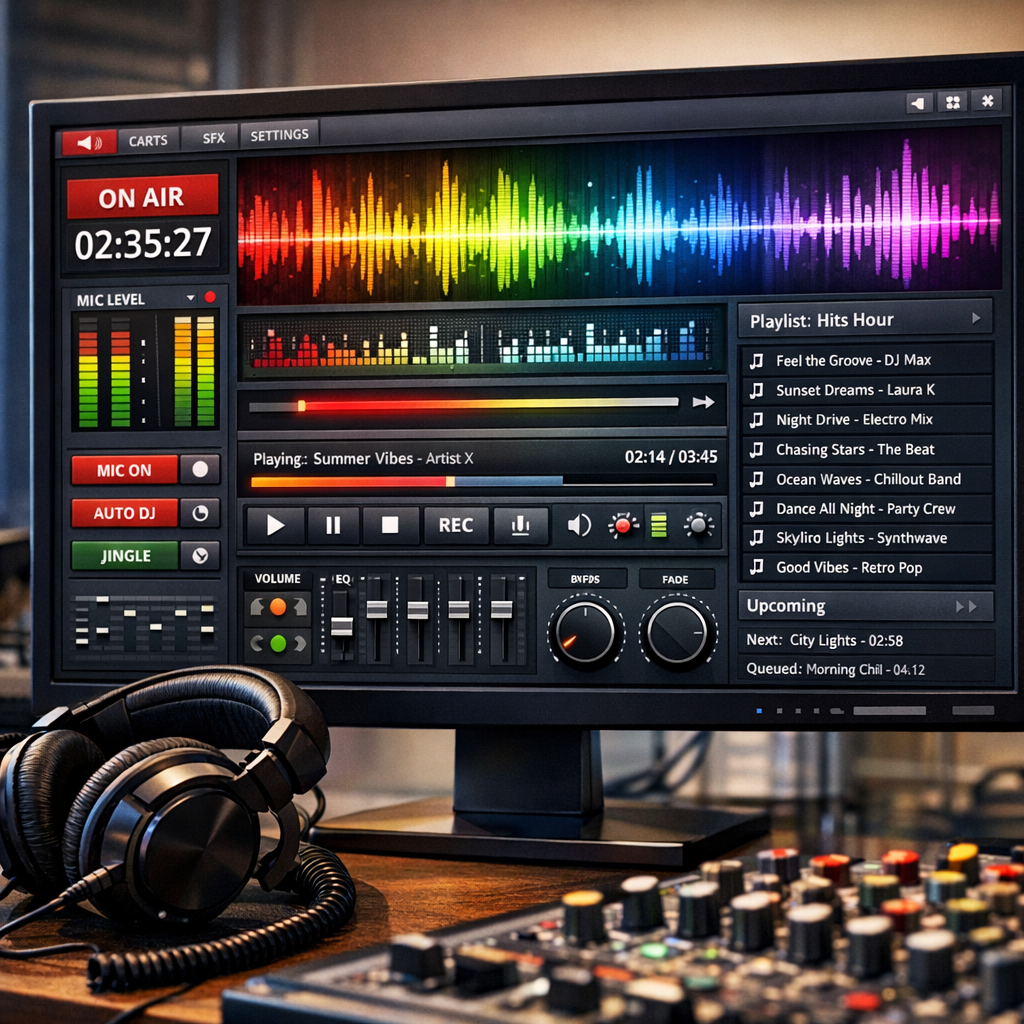
Radio streams are gaining popularity as more people seek audio-only content. With advancements in technology, accessing these streams has never been easier. Users can now enjoy their favorite stations on various devices, from smartphones to computers. The rise of smart speakers and mobile applications has further facilitated this trend, allowing listeners to tune in with just a voice command or a few taps on their screens [1].
Overview
Watch on YouTube
Radio streams are online audio-only stations that allow listeners to enjoy music, news, and talk shows. They are accessible through various platforms, including apps and websites. The low bandwidth use of these streams makes them a great option for users with limited internet speed. This is particularly beneficial in regions where high-speed internet is not readily available, enabling a broader audience to access quality audio content [2].
Key Features
- Wide variety of content, including music, news, and podcasts.
- Accessible on multiple devices, such as smartphones and computers.
- Low bandwidth requirements, making them suitable for slow internet connections.
- Many stations are free to access, providing cost-effective entertainment.
- Ability to create personalized playlists and discover new artists through curated content [3].
Pros and Cons
Pros
- Easy access to a wide range of audio content.
- Low data usage compared to video streaming.
- Can be enjoyed anywhere with an internet connection.
- Opportunity to discover niche content that may not be available on traditional radio [4].
Cons
- Quality may vary depending on the stream.
- Some stations may have limited availability in certain regions.
- Potential for interruptions due to buffering, especially on slower connections [5].
Key Insights
According to recent studies, audio-only content is becoming increasingly popular. In fact, over 50% of people listen to online radio at least once a week. This trend shows that radio streams are not just a passing fad but a significant part of modern media consumption. Furthermore, the growth of podcasting has also contributed to the rise of audio content, with many listeners integrating both radio streams and podcasts into their daily routines [6].
Patterns
As more users turn to radio streams, there is a noticeable shift in how content is consumed. Many listeners prefer the convenience of streaming over traditional radio. This change is driven by the desire for on-demand content and the ability to choose from a vast array of stations. Additionally, the integration of social media platforms with radio streaming services has allowed users to share their favorite stations and discover new content through their networks [7].
Controversies
Despite their popularity, some argue that radio streams lack the personal touch of traditional radio. Critics claim that algorithms used to suggest content can lead to a homogenized listening experience. However, supporters argue that the variety and accessibility of radio streams outweigh these concerns. They point out that many streaming services offer options for live interaction, such as chat features and social media integration, which can enhance the listener’s experience [8].
Blind Spots
One blind spot in the radio streaming landscape is the lack of awareness about the variety of available stations. Many users stick to popular platforms and miss out on niche stations that cater to specific interests. Exploring different sources can lead to discovering unique content. For instance, there are numerous independent stations that focus on local music scenes or specific genres that may not receive mainstream attention [9].
Opportunities
There is a growing opportunity for content creators to develop unique audio-only content. As the demand for diverse programming increases, creators can tap into niche markets. This can lead to innovative shows that attract dedicated audiences. Moreover, the rise of user-generated content platforms allows aspiring creators to share their work without the need for traditional broadcasting infrastructure [10].
Advanced Breakdown
Radio streams can be accessed through various platforms, including VLC media player and dedicated apps like Radioplayer. Users can simply copy and paste stream links into their chosen application to start listening. This ease of access is a significant advantage over traditional radio. Additionally, many platforms offer features such as offline listening and customizable playlists, enhancing the user experience [11].
Comparison
When comparing radio streams to traditional radio, the key difference lies in accessibility and content variety. Traditional radio is limited by geographic location, while radio streams can be accessed globally. This opens up a world of possibilities for listeners. Furthermore, radio streams often provide a more extensive selection of genres and formats, catering to diverse tastes and preferences [12].
What People Are Asking
Many users are curious about how to find and access radio streams. They often ask about the best apps and platforms for listening. Additionally, questions about data usage and content variety are common. Users are also interested in how to create their own this idea, reflecting a growing trend in user-generated content [13].
Popular Searches and Questions
Some popular searches include “best radio streaming apps” and “how to listen to this issue on VLC.” These queries reflect the growing interest in audio-only content and the desire for easy access to diverse programming. Other common questions involve the legality of streaming certain content and how to support independent radio stations [14].