THE ULTIMATE GUIDE TO LIVE TV PLAYLISTS
The Ultimate Guide to Live TV Playlists – Discover the world of live TV playlists. Learn how to access, use, and enjoy streaming content with M3U playlists. In short, this guide explains live TV playlists in plain language.
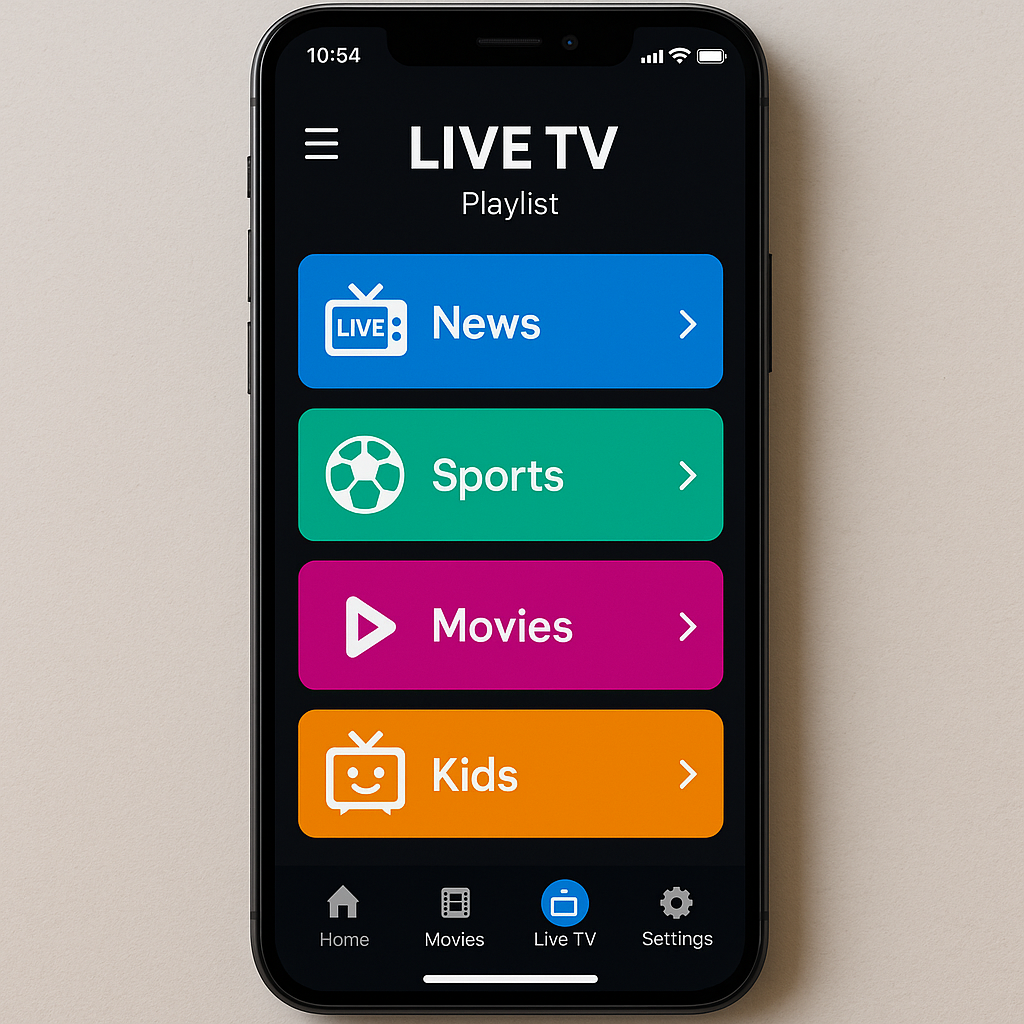
live TV playlists: Direct answer
Live TV playlists are collections of streaming channels that you can access online. They allow you to watch live television through various devices using M3U or M3U8 formats.
live TV playlists: Key Takeaways
- Live TV playlists offer a variety of channels for streaming.
- M3U and M3U8 formats are commonly used for these playlists.
- Many playlists are available for free, but some require payment.
- You can access playlists on multiple devices, enhancing convenience.
What’s New Today
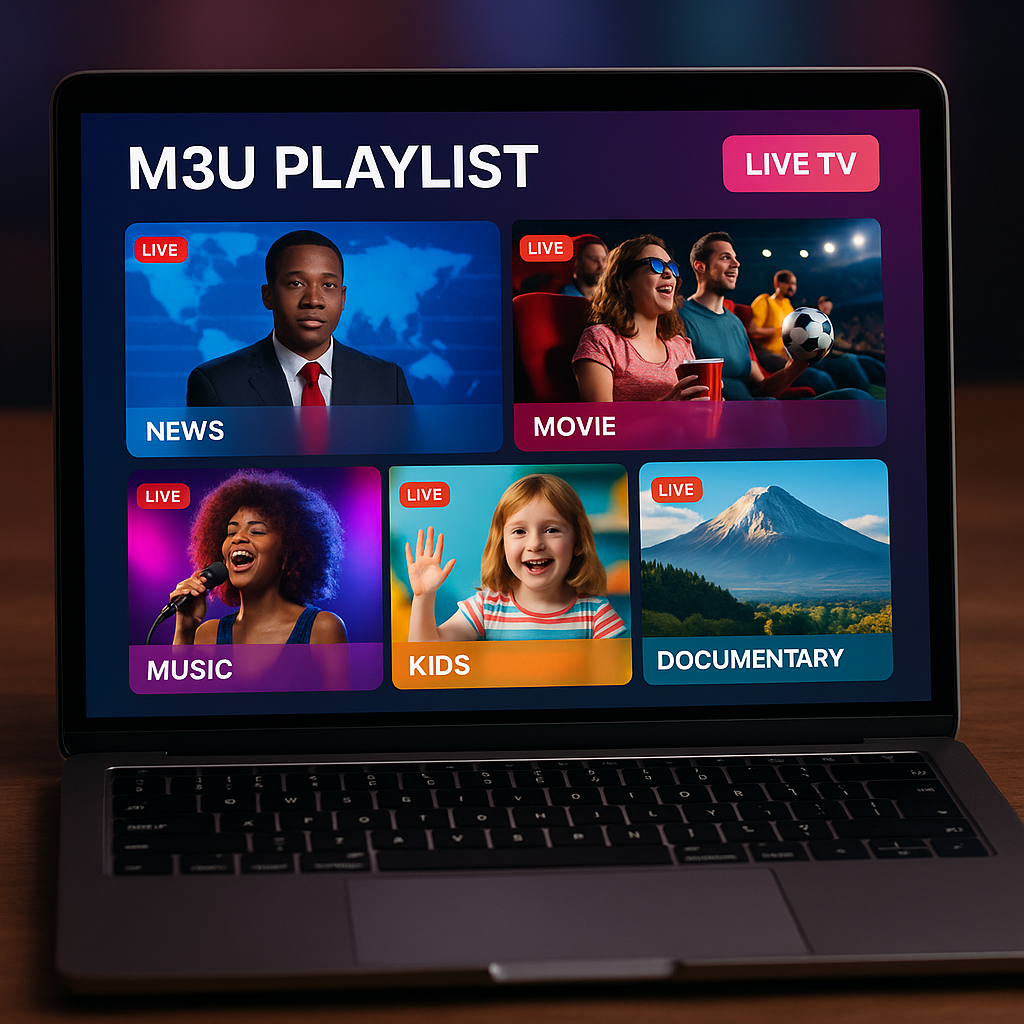
Live TV playlists are gaining popularity as more people seek flexible streaming options. New playlists are being created regularly, offering a wide range of channels and content. For example, you can find playlists that include everything from news to sports and entertainment. This trend is indicative of a broader shift in how audiences consume media, moving away from traditional cable subscriptions towards more customizable streaming solutions [1].
Overview
Watch on YouTube
Live TV playlists are collections of streaming channels that allow you to watch live television online. They typically use M3U or M3U8 formats, which are simple text files that list the URLs of streaming content. This makes it easy to access various channels from one place. The M3U format is particularly popular due to its simplicity and compatibility with numerous media players, making it a preferred choice for many users [2].
Key Features
- Access to a wide variety of channels, including niche and international options.
- Compatibility with multiple devices such as smartphones, tablets, smart TVs, and computers.
- Easy to use with M3U or M3U8 formats, which can be imported into various media players.
- Many playlists are free or low-cost, providing an affordable alternative to traditional cable services.
Pros and Cons
Pros
- Convenient access to live TV without the need for a cable subscription.
- Variety of content available, catering to diverse interests and preferences.
- Can be used on different devices, allowing for viewing flexibility.
Cons
- Quality may vary between playlists, with some offering high-definition streams while others may be lower quality.
- Some channels may require subscriptions or additional fees, which can add to the overall cost.
- Not all playlists are reliable, and users may encounter dead links or inconsistent streaming quality.
Key Insights
Live TV playlists are a great way to enjoy streaming content. They provide flexibility and convenience, allowing viewers to watch their favorite shows and channels on various devices. However, it is essential to choose reliable playlists to ensure a good viewing experience. Researching user reviews and recommendations can help in identifying trustworthy sources [3].
Patterns
As streaming technology evolves, more users are turning to live TV playlists. This trend is driven by the desire for on-demand content and the ability to customize viewing experiences. Many users appreciate the ability to access multiple channels without needing a cable subscription. According to recent studies, the number of households relying solely on streaming services has increased significantly, highlighting a shift in consumer behavior [4].
Controversies
One controversy surrounding live TV playlists is the legality of some content. While many playlists are legitimate, others may offer channels without proper licensing. Users should be cautious and ensure they are accessing legal content to avoid potential issues. Engaging with playlists that provide unauthorized content can lead to legal repercussions, and it is advisable to stick to reputable sources [5].
Blind Spots
Many users may not realize that not all live TV playlists are created equal. Some may offer poor quality streams or unreliable access. It is crucial to research and find reputable sources for playlists to ensure a satisfactory experience. Additionally, users should be aware of the potential for malware or phishing attempts when accessing free playlists from unknown sources [6].
Opportunities
There is a growing opportunity for developers to create better apps and platforms for accessing live TV playlists. As demand increases, innovative solutions can enhance user experiences and provide more reliable content. The rise of artificial intelligence and machine learning could also play a role in personalizing content recommendations for users, making it easier to discover new channels and shows [7].
Advanced Breakdown
Live TV playlists can be accessed through various applications. For example, IPTV Player M3U8 Xtream EPG is a popular app that allows users to import M3U playlists easily [2]. Additionally, many websites offer lists of free M3U playlist URLs, making it easier to find content [1]. Other notable applications include VLC Media Player and Kodi, both of which support M3U playlists and provide a user-friendly interface for streaming [8].
Comparison
Live TV playlists are often compared to traditional cable TV. While cable offers a fixed set of channels, live TV playlists provide flexibility and customization. Users can choose which channels to include in their playlists, making it a more tailored experience. This customization is particularly appealing to younger audiences who prefer on-demand viewing and the ability to curate their own content [9].
What People Are Asking
Many people are curious about how to find and use live TV playlists. They often ask about the best apps for accessing these playlists and whether they are free or require payment. Understanding these aspects can help users make informed choices. Additionally, users frequently inquire about the legality of certain playlists and how to ensure they are accessing legitimate content [10].
Popular Searches and Questions
Common searches include terms like “best free M3U playlists” and “how to use this idea.” These queries reflect the growing interest in streaming options and the desire for easy access to live content. As more people transition to streaming, the demand for information on how to effectively utilize this issue continues to rise [11].